
Position Training
Wide Receiver Training
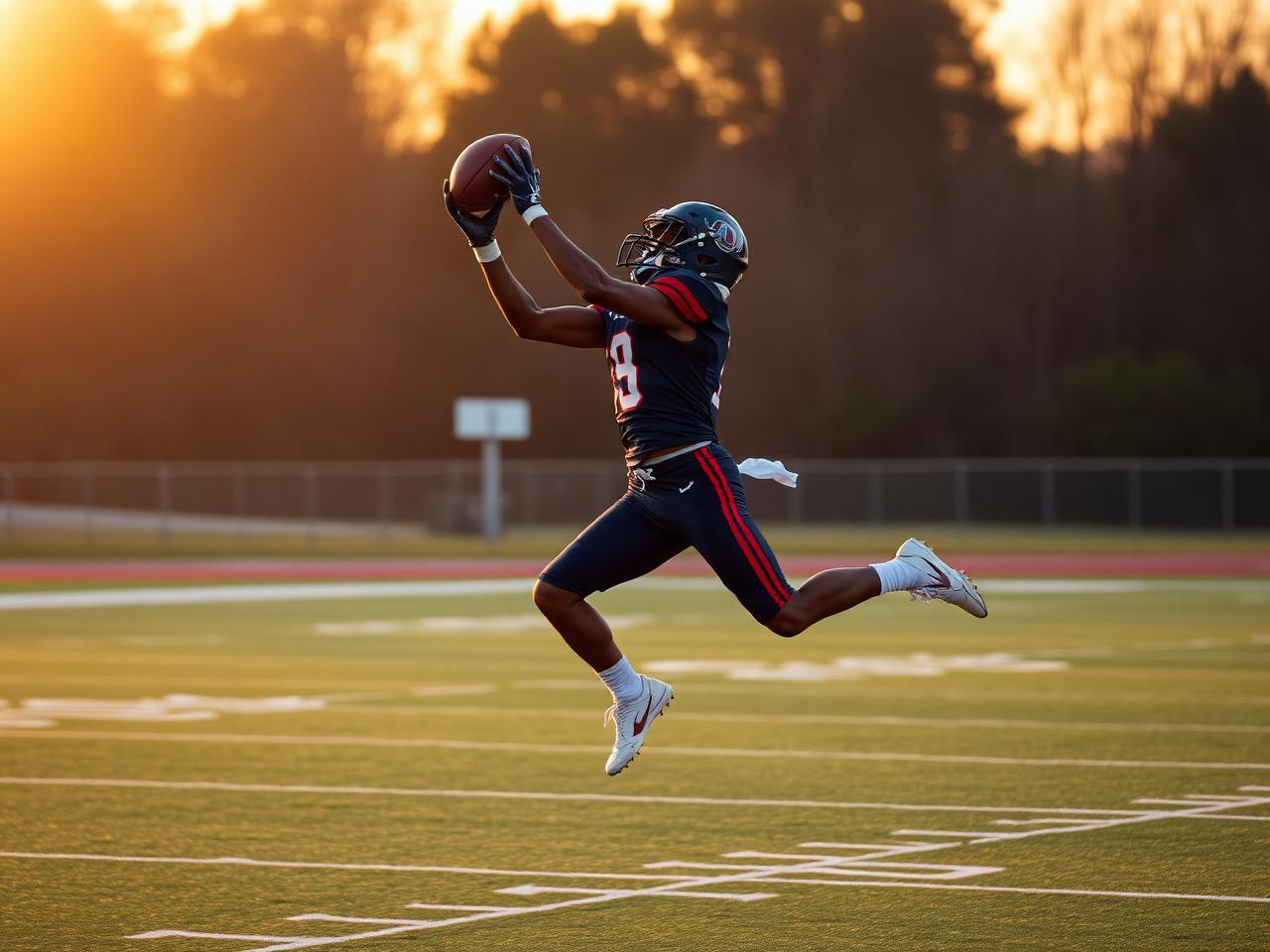
The keys to being a great wide receiver — route running, footwork, explosiveness, body control, strong hands, and football intelligence.
Fundamentals
More than speed
Being a great wide receiver takes more than speed and catching ability. The best receivers combine route running, footwork, explosiveness, body control, strong hands, football intelligence, and attention to detail to consistently get open and make plays.
These are the fundamentals Rodrick Walker teaches and develops when you train with him. His training is designed to help wide receivers understand the position, improve their technique, and develop the skills and confidence needed to become complete playmakers.
The keys
What separates good from great
Route Running
Great receivers don't just run routes — they understand how to create separation. Proper depth, timing, leverage, and technique allow a receiver to get open consistently.
Footwork
Great route running starts with great feet. Receivers must accelerate, decelerate, plant, cut, and change direction efficiently without wasting steps or giving away the route.
Releases
Winning the route starts at the line of scrimmage. A receiver needs multiple releases and must understand how to attack leverage, defeat press coverage, and get into the route on time.
Explosiveness
The ability to accelerate quickly creates separation. Great receivers develop the burst needed to get off the line, come out of breaks, and turn short completions into big plays.
Creating Separation
Speed helps, but technique gets receivers open. Understanding leverage, changing speeds, using body positioning, and selling routes creates separation even against faster defenders.
Strong Hands
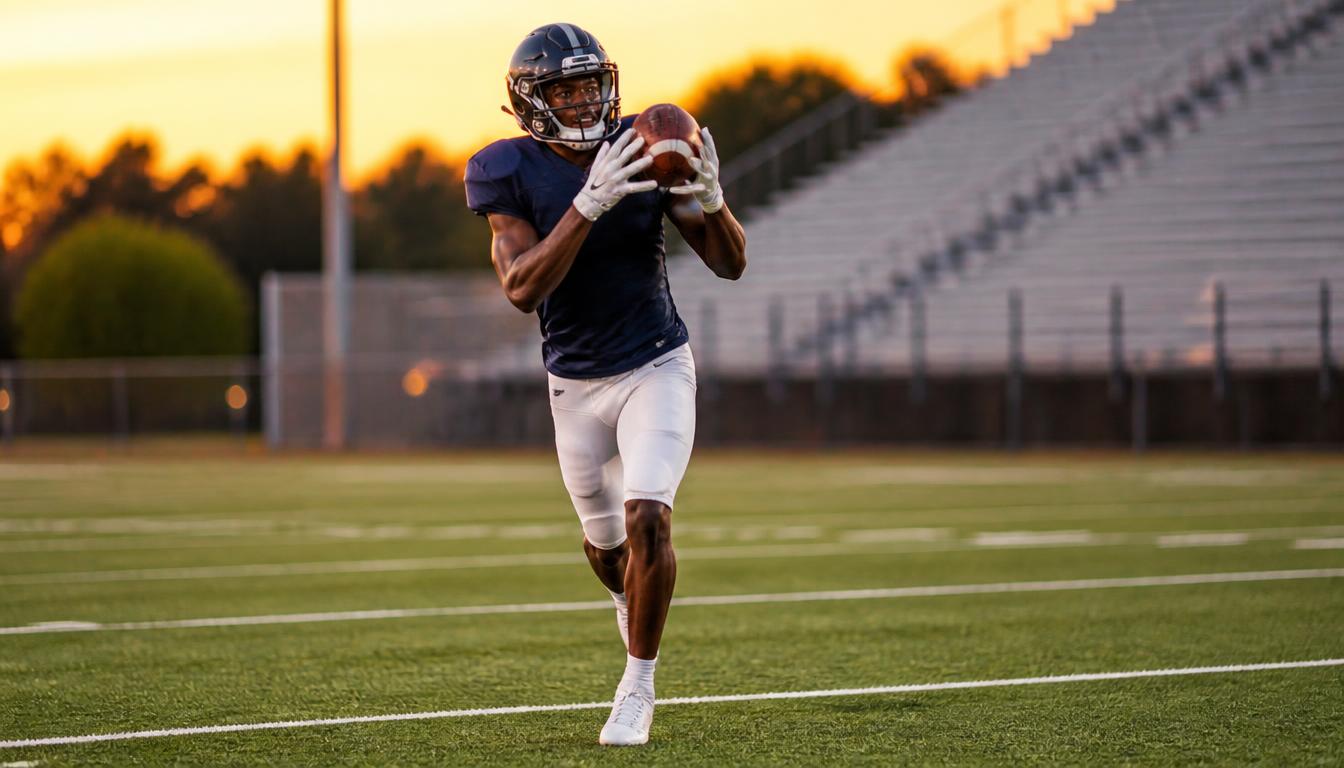
Great receivers catch the football consistently. They attack the ball with their hands, secure it quickly, and develop the confidence to make catches in traffic and under pressure.
Body Control
Receivers don't always get a perfectly placed football. Great body control allows a receiver to adjust to passes, make catches outside his frame, stay balanced, and shield the defender.
Catching in Traffic
Making plays when a defender is nearby requires concentration, strong hands, and confidence. Receivers must track the football, secure the catch, protect it, and finish the play.
Understanding Coverage
Elite receivers understand what the defense is trying to do. Recognizing man coverage, zone coverage, leverage, and defensive positioning helps a receiver find open space.
Yards After the Catch
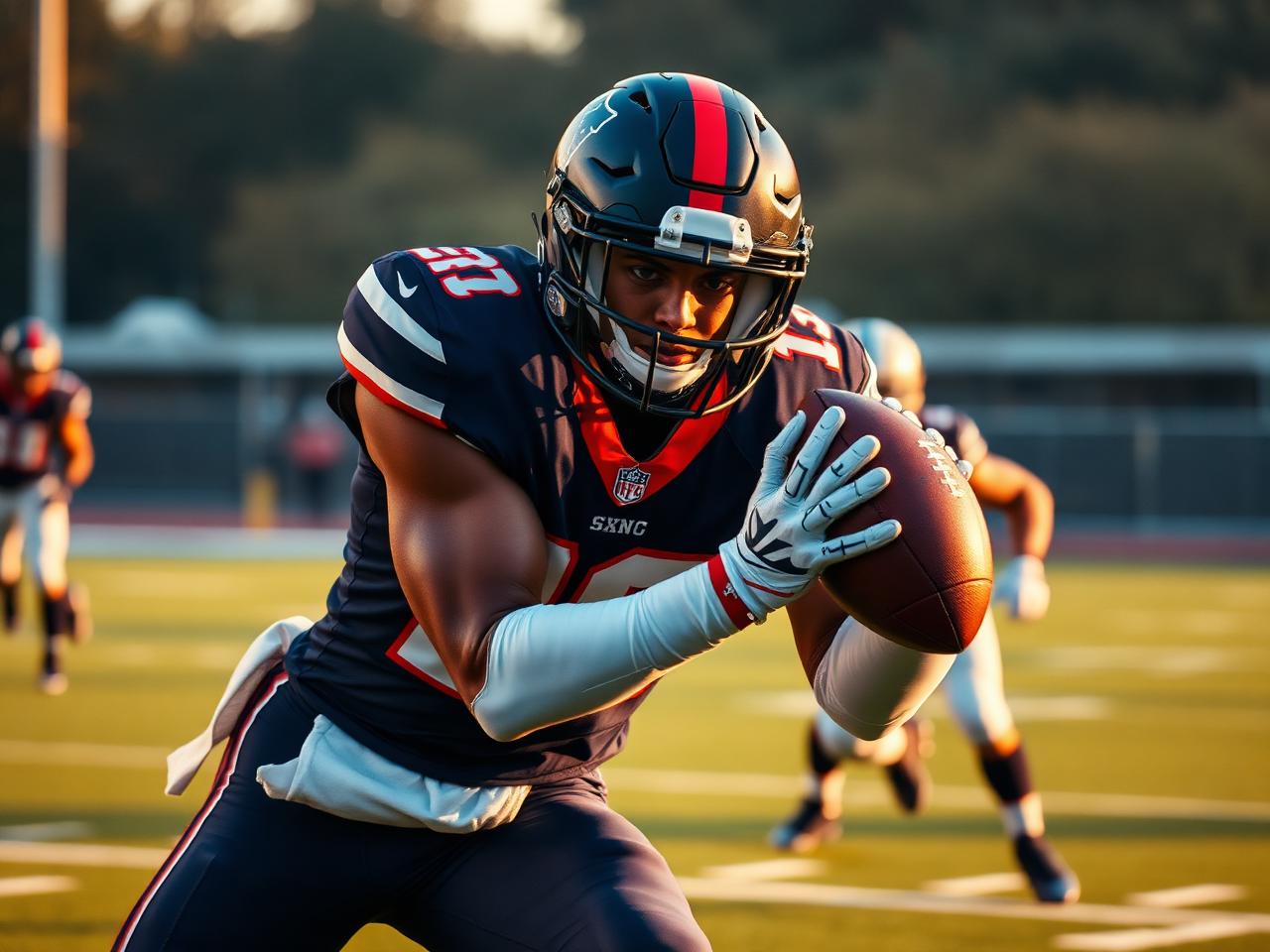
The play isn't over when the football is caught. Great receivers transition quickly from receiver to runner, get vertical, use their vision, and turn catches into additional yards.
Blocking
A complete wide receiver contributes even when the football isn't coming his way. Effective blocking requires effort, positioning, technique, and the willingness to help teammates make plays.
Attention to Detail
The difference between being covered and being open can come down to one step. Great receivers understand that stance, release, route depth, timing, leverage, and footwork all matter.
Details matter
Run with purpose
Great route running starts with great feet. Rodrick teaches receivers how to accelerate, decelerate, plant, and cut without wasting steps. Every route has a purpose — and every step should help create separation.
Finish every rep
Attack the football
Great receivers catch the ball consistently — in traffic, under pressure, and outside their frame. Rodrick emphasizes attacking the football with strong hands, securing it quickly, and finishing the play through contact.
Train with a pro
Learn from Rodrick Walker
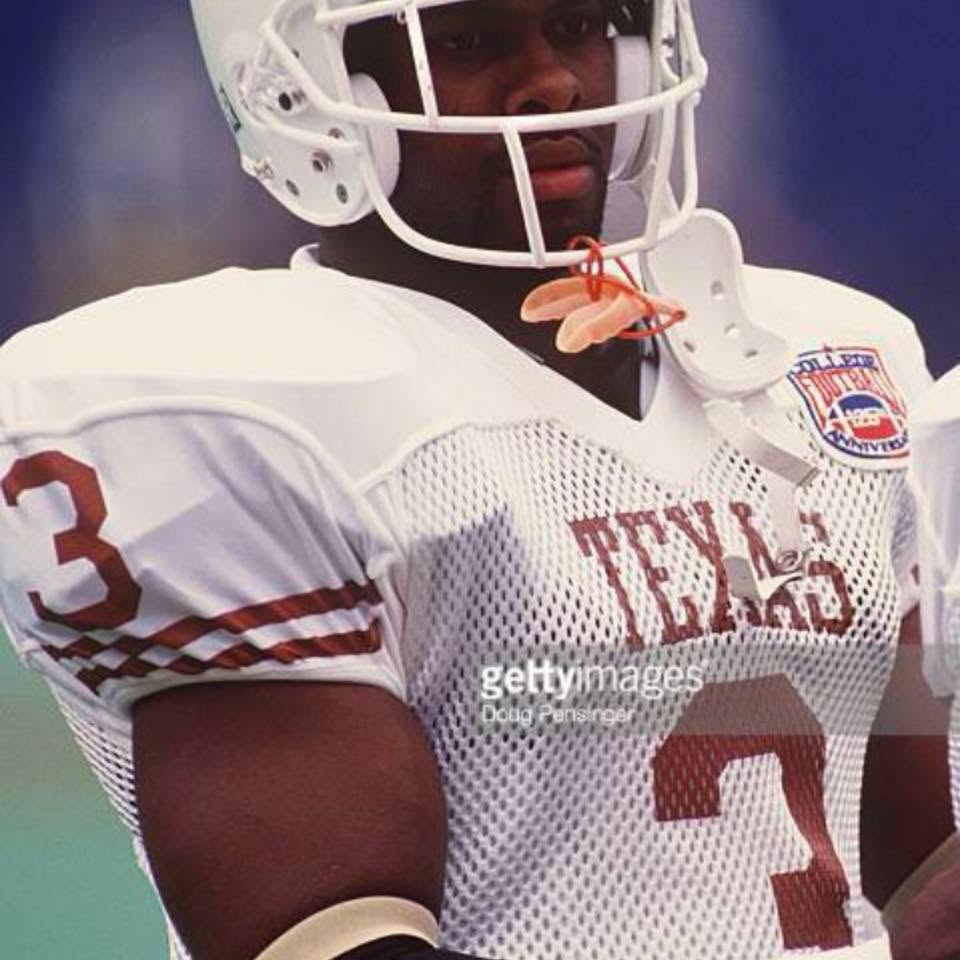
Rodrick played running back at Irving Nimitz High School, became the #2 overall recruit in the nation, and went on to lead the Texas Longhorns in rushing. He now trains receivers and running backs the right way — from fundamentals to the details that separate good from great.
The wide receiver mindset
Win the release. Run with purpose. Create separation. Attack the football. Finish the play.
Great wide receivers understand that getting open isn't an accident. It's the result of technique, preparation, discipline, and repetition. Train with Rodrick Walker and learn how to play the position the right way.
Back to position training