
Position Training
Tight End Training
The keys to being a great tight end — route running, blocking, strong hands, versatility, and football IQ.
Fundamentals
The most complete skill set
Being a great tight end requires one of the most complete skill sets on the football field. The best tight ends combine route running, catching ability, blocking, footwork, strength, body control, toughness, and football intelligence to become a threat on every play.
These are the fundamentals Rodrick Walker teaches and develops when you train with him. His training is designed to help tight ends develop both the receiving and blocking skills needed to become complete, versatile players.
The keys
What separates good from great
Stance & Footwork
Everything starts with a strong stance and efficient footwork. Tight ends must be able to explode off the line, move laterally as blockers, and transition smoothly into routes.
Releases
Tight ends must know how to get cleanly into their routes whether they're facing press coverage, linebackers, or defensive backs. Good releases combine footwork, hand technique, leverage, and explosiveness.
Route Running
Great tight ends run precise routes. Understanding depth, timing, leverage, and how to create separation allows a tight end to become a dependable target anywhere on the field.
Creating Separation
Tight ends won't always be the fastest players on the field, so technique matters. Using body positioning, leverage, changes of speed, and strong route running helps create separation from defenders.
Strong Hands
A dependable tight end must consistently catch the football. Great tight ends attack the ball with their hands, secure it quickly, and maintain possession through contact.
Catching in Traffic
Tight ends frequently make catches in the middle of the field where defenders are close. Concentration, body control, strong hands, and toughness are essential to finishing these plays.
Body Control
Quarterbacks won't always deliver a perfect pass. Great tight ends can adjust to the football, use their body to shield defenders, maintain balance, and make difficult catches.
Run Blocking
A complete tight end must be an effective blocker. Proper footwork, leverage, hand placement, pad level, and effort allow tight ends to create running lanes and contribute to the rushing attack.
Pass Protection
Tight ends may also be responsible for protecting the quarterback. Understanding assignments, maintaining balance, using proper hand technique, and recognizing pressure are important parts of the position.
Playing with Leverage
Whether blocking or running a route, leverage matters. Great tight ends understand body positioning and how to use their size, strength, and technique to gain an advantage.
Yards After the Catch
The play doesn't end when the football is caught. Great tight ends secure the ball, get vertical, maintain balance through contact, and turn completions into additional yards.
Understanding Coverages
Complete tight ends recognize man and zone coverage and understand how defenders are positioned. Reading leverage and finding openings in the defense helps them become more effective targets.
Football IQ
Tight ends have to understand both the passing game and the running game. They must know formations, routes, blocking assignments, defensive fronts, coverages, and how their responsibility changes from play to play.
Versatility
What makes the tight end position special is the ability to do multiple things. A great tight end can line up next to the tackle, in the slot, out wide, or in the backfield and still understand his responsibility.
Details matter
Move the line
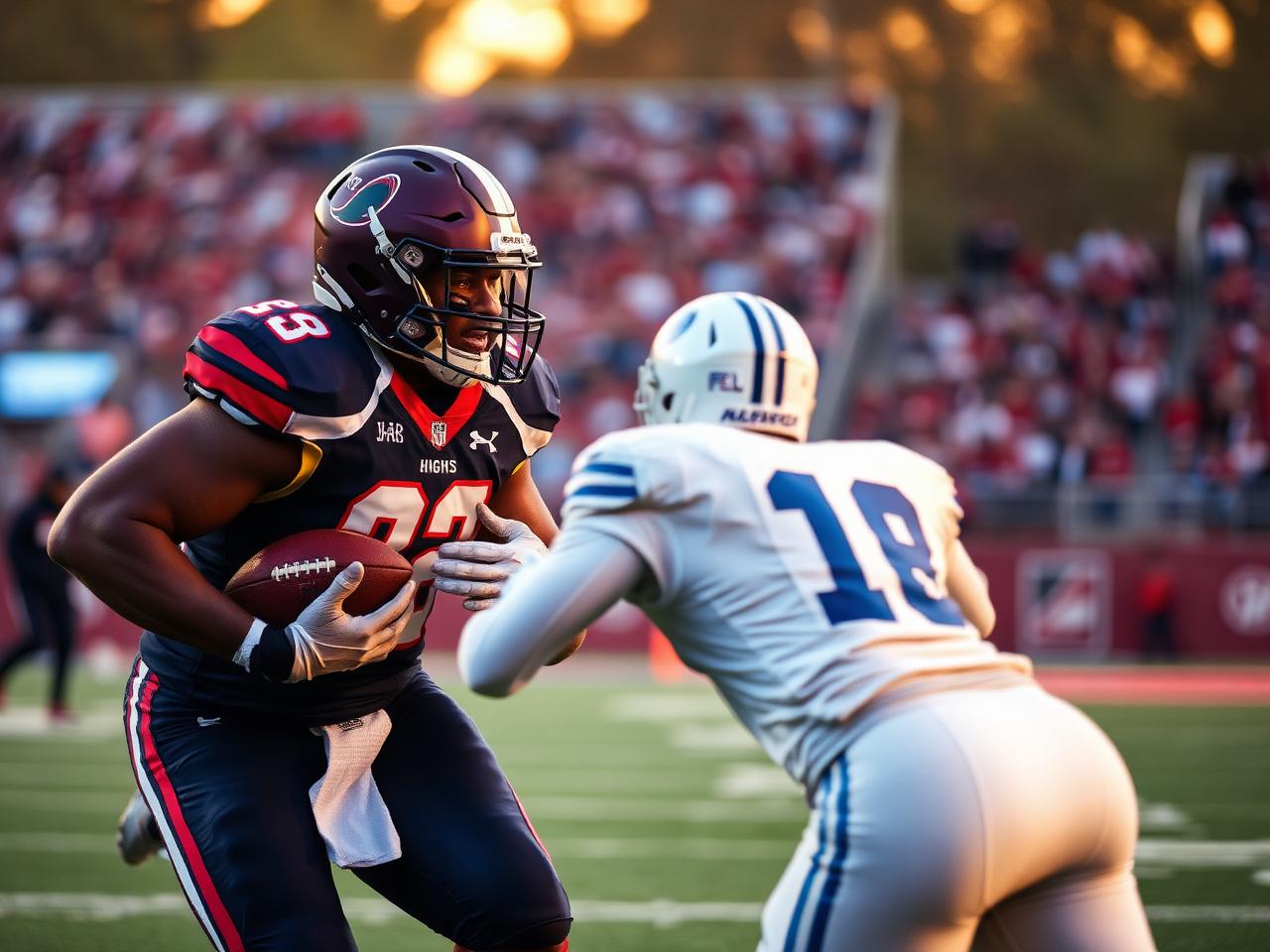
A complete tight end must be an effective blocker. Rodrick teaches footwork, leverage, hand placement, pad level, and effort so tight ends can create running lanes and contribute to the rushing attack.
Finish every rep
Attack the football
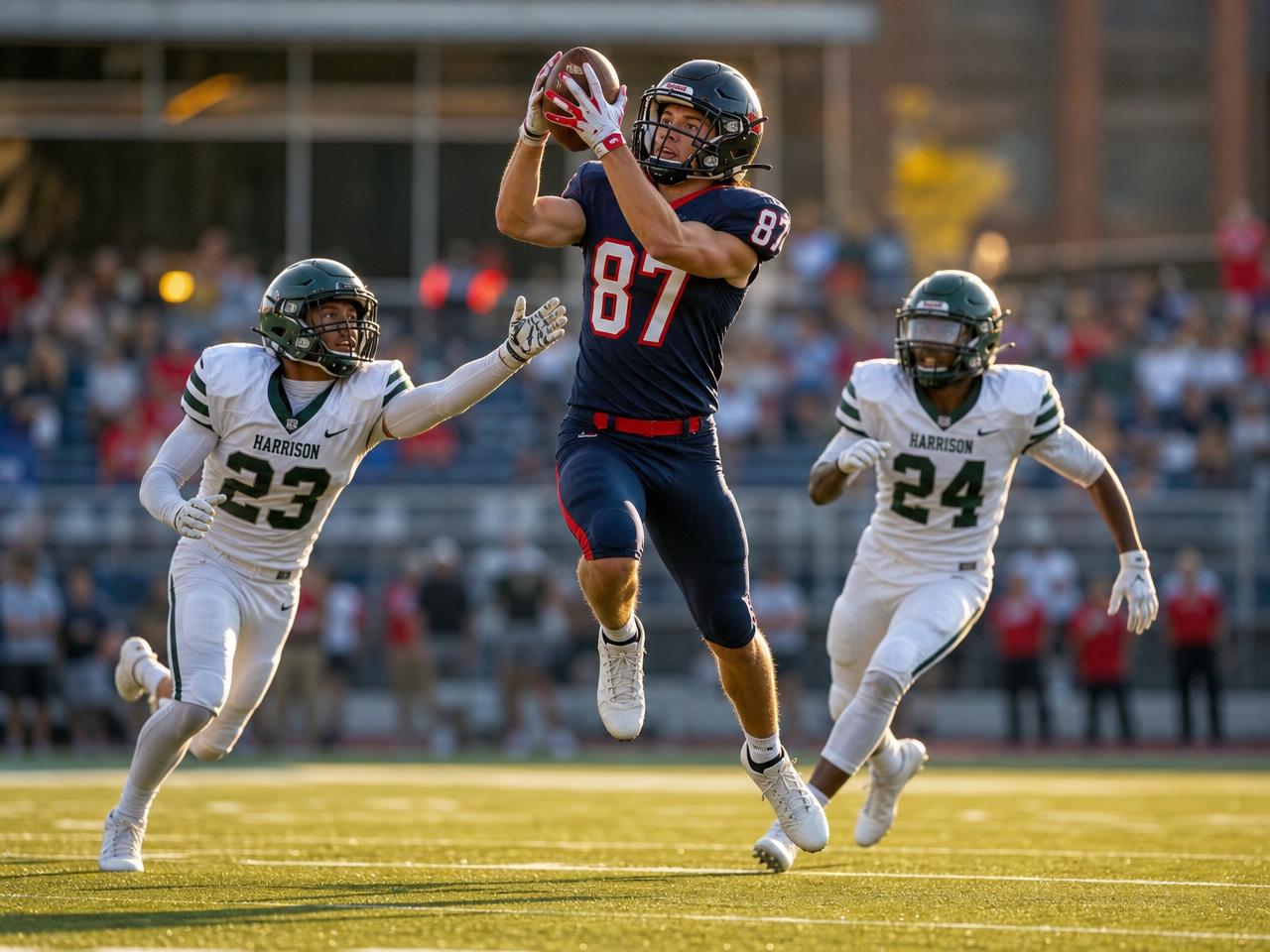
Tight ends frequently make catches in traffic. Rodrick emphasizes concentration, body control, strong hands, and toughness so tight ends can secure the ball and finish plays through contact.
Train with a pro
Learn from Rodrick Walker
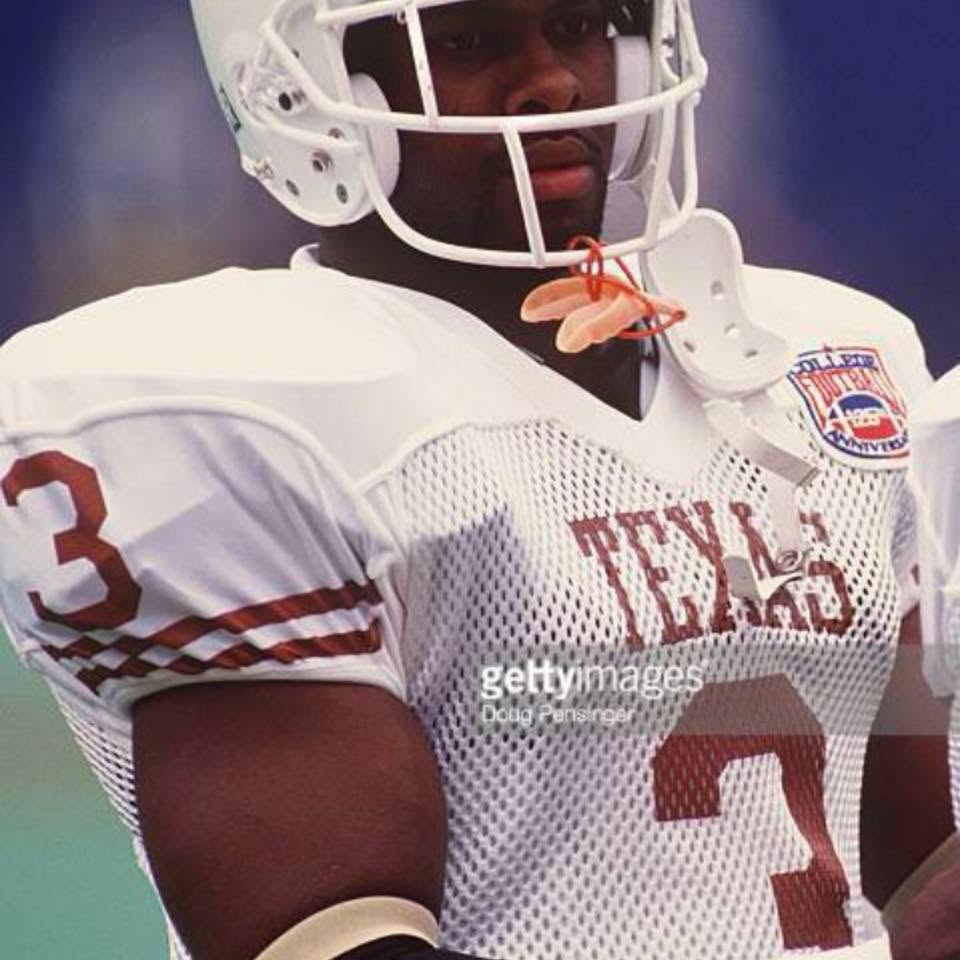
Rodrick played running back at Irving Nimitz High School, became the #2 overall recruit in the nation, and went on to lead the Texas Longhorns in rushing. He now trains tight ends, quarterbacks, running backs, receivers, and defensive backs the right way — from fundamentals to the details that separate good from great.
The tight end mindset
Be physical. Be dependable. Know your assignment. Win your route. Finish your block. Make the catch. Finish the play.
Great tight ends understand that being a complete player means being willing and able to contribute on every play — whether they're catching the football, creating a running lane, or protecting the quarterback. Train with Rodrick Walker and learn how to play the tight end position the right way.
Back to position training