Position Training
Safety Training
The keys to being a great safety — speed, instincts, tackling, coverage, ball skills, and leadership.
Fundamentals
The last line of defense
Being a great safety requires one of the most complete skill sets on the defensive side of the football. The best safeties combine speed, instincts, tackling, coverage ability, ball skills, communication, discipline, and football intelligence to become the last line of defense and a playmaker all over the field.
These are the fundamentals Rodrick Walker teaches and develops when you train with him. His training is designed to help safeties improve their technique, understand what they're seeing on the field, react faster, and develop the confidence needed to become complete defensive players.
The keys
What separates good from great
Stance & Footwork
Everything starts with a balanced, athletic stance and efficient footwork. Safeties must be able to backpedal, change direction, open their hips, accelerate, and react without losing balance or wasting movement.
Reading the Offense
Great safeties see more than one player. They learn to recognize formations, receiver alignments, backfield action, offensive tendencies, and quarterback movement to anticipate where the play is going.
Run-Pass Recognition
A safety has to quickly determine whether a play is a run or pass. Reading the correct keys allows a safety to react aggressively without putting the defense in a vulnerable position.
Coverage Skills
Safeties must be able to play both man and zone coverage. Understanding assignments, spacing, leverage, route combinations, and positioning allows them to take away passing lanes and prevent big plays.
Playing the Deep Field
When responsible for the deep part of the field, discipline is critical. Great safeties understand angles, depth, positioning, and how to stay deeper than the deepest offensive threat.
Route Recognition
The best safeties recognize route concepts as they develop. Understanding receiver releases, formations, down and distance, and common route combinations helps them anticipate where the quarterback wants to go with the football.
Reading the Quarterback
Great safeties learn to read the quarterback without abandoning their responsibility. Understanding the quarterback's eyes, shoulders, timing, and tendencies can help a safety anticipate throws and put himself in position to make a play.
Closing Speed
Once a safety recognizes where the football is going, he has to get there quickly. Developing the ability to plant, drive, and accelerate allows safeties to break up passes, make tackles, and create turnovers.
Pursuit Angles
Being fast isn't enough if you take the wrong angle. Great safeties understand how to position themselves to cut off ball carriers, prevent big plays, and arrive under control.
Open-Field Tackling
Safeties are often the last defender between the ball carrier and the end zone. Proper angles, balance, leverage, body control, and sound tackling technique are essential to making plays in space.
Ball Skills
When the football is in the air, a safety has an opportunity to become a playmaker. Tracking the ball, timing the play, attacking it at its highest point, and finishing interceptions can change a game.
Man Coverage
Safeties may be asked to cover tight ends, running backs, or receivers. Strong footwork, leverage, hip movement, and coverage technique allow them to match up with different types of offensive players.
Communication
Safeties often see more of the field than anyone else on defense. Great safeties communicate formations, motions, coverage adjustments, and potential threats to help get the entire defense lined up correctly.
Football IQ
Elite safeties study the game. They understand formations, personnel, route concepts, down and distance, offensive tendencies, quarterback tendencies, and how every player's responsibility fits within the defense.
Discipline & Instincts
Great safety play requires both. Instincts help a player recognize opportunities, while discipline prevents him from abandoning his responsibility too early. The best safeties learn when to trust what they see and attack.
Leadership & Confidence
Safeties are often leaders of the secondary. They must communicate, play with confidence, recover quickly from mistakes, and be ready to make the next play.
Details matter
Finish in space
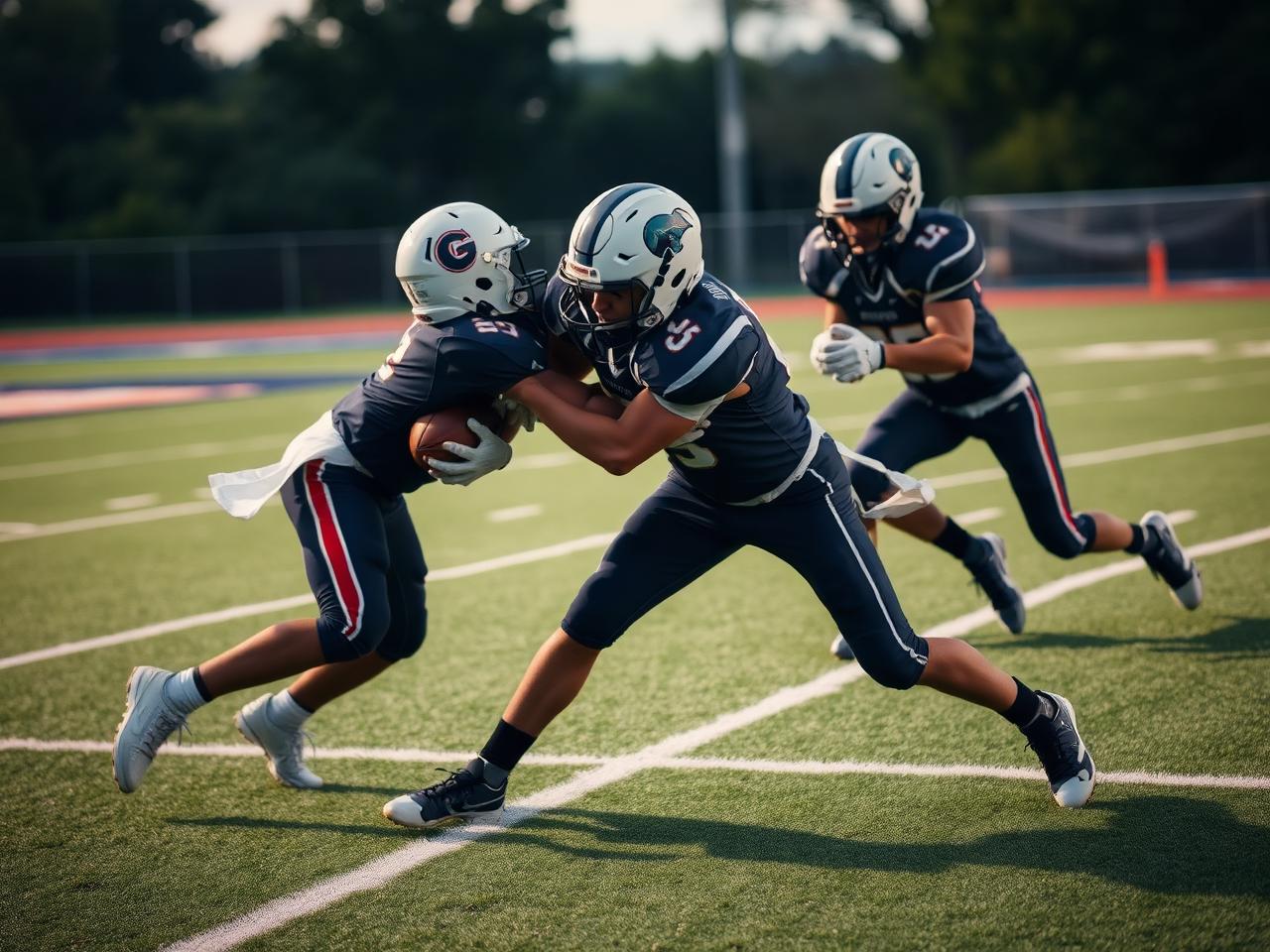
Safeties are often the last defender between the ball carrier and the end zone. Rodrick teaches proper angles, balance, leverage, body control, and sound tackling technique so safeties can make plays in the open field.
Read and react
Defend the deep ball
When responsible for the deep part of the field, discipline is everything. Rodrick trains safeties to understand depth, angles, leverage, route concepts, and quarterback tendencies so they can take away big plays and create turnovers.
Train with a pro
Learn from Rodrick Walker
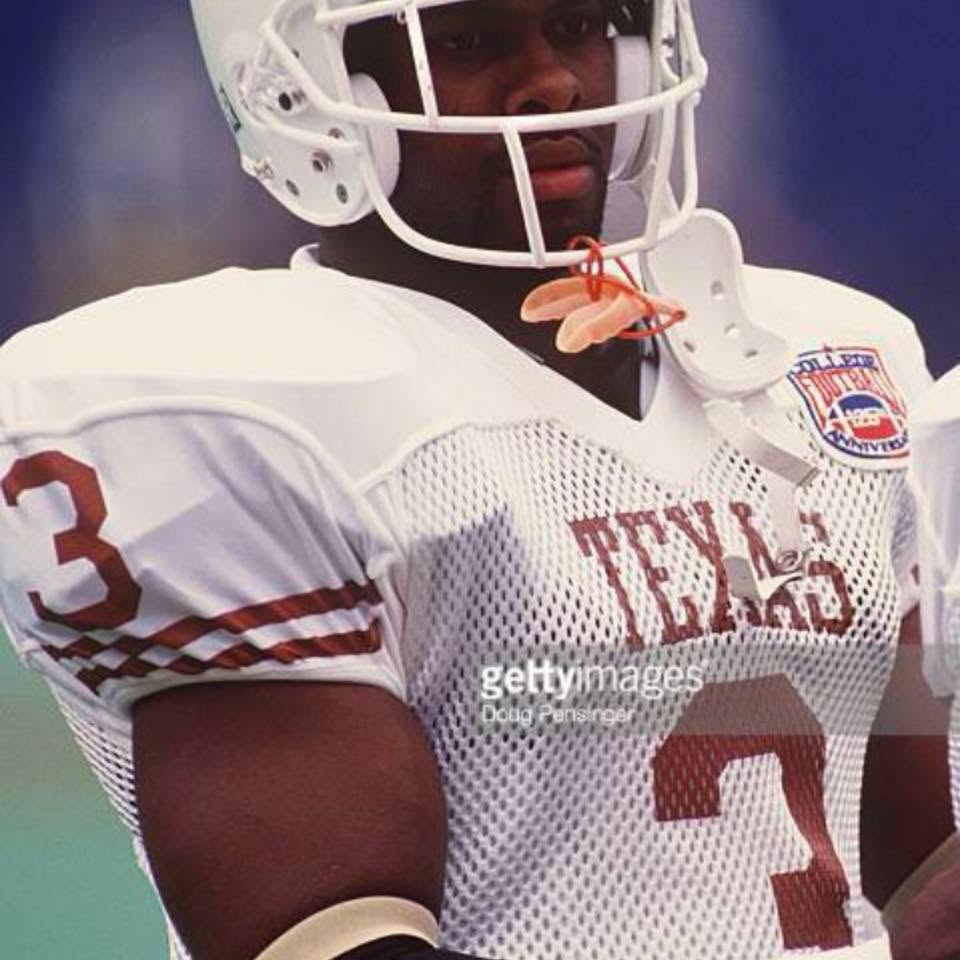
Rodrick played running back at Irving Nimitz High School, became the #2 overall recruit in the nation, and went on to lead the Texas Longhorns in rushing. He now trains safeties, linebackers, tight ends, quarterbacks, running backs, receivers, and defensive linemen the right way — from fundamentals to the details that separate good from great.
The safety mindset
See the field. Read your keys. Protect the deep ball. Trust your instincts. Take the right angle. Attack the football. Finish the play.
Great safeties understand that the position is about more than being fast or physical. It requires awareness, discipline, technique, communication, preparation, and the ability to make plays anywhere on the field. Train with Rodrick Walker and learn how to play the safety position the right way.
Back to position training