
Position Training
Defensive Back Training
The keys to being a great defensive back — technique, discipline, ball skills, football IQ, and confidence.
Fundamentals
More than speed
Being a great defensive back takes more than speed and athleticism. The best DBs combine footwork, technique, instincts, discipline, ball skills, physicality, and football intelligence to consistently shut down receivers and make plays.
These are the fundamentals Rodrick Walker teaches and develops when you train with him. His training is designed to help defensive backs understand the position, improve their technique, and develop the confidence and skills needed to become complete defenders.
The keys
What separates good from great
Stance & Footwork
Everything starts with a strong stance and great feet. Defensive backs must be balanced, controlled, and ready to react without wasting movement.
Backpedal
A controlled and efficient backpedal allows a defensive back to maintain leverage while reading the receiver and quarterback.
Hip Movement
Great DBs have fluid hips. The ability to open, turn, transition, and accelerate without losing balance keeps them connected to receivers.
Press Technique
Press coverage requires hand placement, patience, leverage, footwork, and the ability to disrupt a receiver without getting out of position.
Man Coverage
Great defensive backs stay connected to receivers while maintaining proper leverage and knowing when to watch the receiver and when to locate the football.
Zone Coverage
Zone coverage requires awareness, responsibility, route recognition, communication, and the ability to read the quarterback and react quickly.
Understanding Leverage
A DB doesn't need to take away everything — he needs to understand what the defense is designed to take away and use help to his advantage.
Route Recognition
Elite DBs learn to recognize routes before they fully develop by reading alignment, releases, body positioning, down and distance, and offensive tendencies.
Closing Speed
Once the football is thrown, great DBs plant, drive, and accelerate toward the ball — turning completions into breakups or interceptions.
Ball Skills
A defensive back should think like a receiver when the ball is in the air. Tracking, attacking at the highest point, timing, and finishing interceptions are essential.
Tackling
A complete defensive back must be willing and able to tackle. Proper angles, positioning, control, and sound technique prevent short plays from becoming big ones.
Recovery
Every DB gets beaten. Great ones don't panic. They recover, regain position, play through the receiver's hands, and compete until the play is over.
Football IQ
Elite DBs study formations, route concepts, down and distance, receiver tendencies, quarterback tendencies, and how their assignment fits within the entire defense.
Confidence & Short-Term Memory
Cornerback and safety are positions where confidence matters. Great DBs reset after every play and compete on the next snap, regardless of what happened before.
Details matter
Control the line
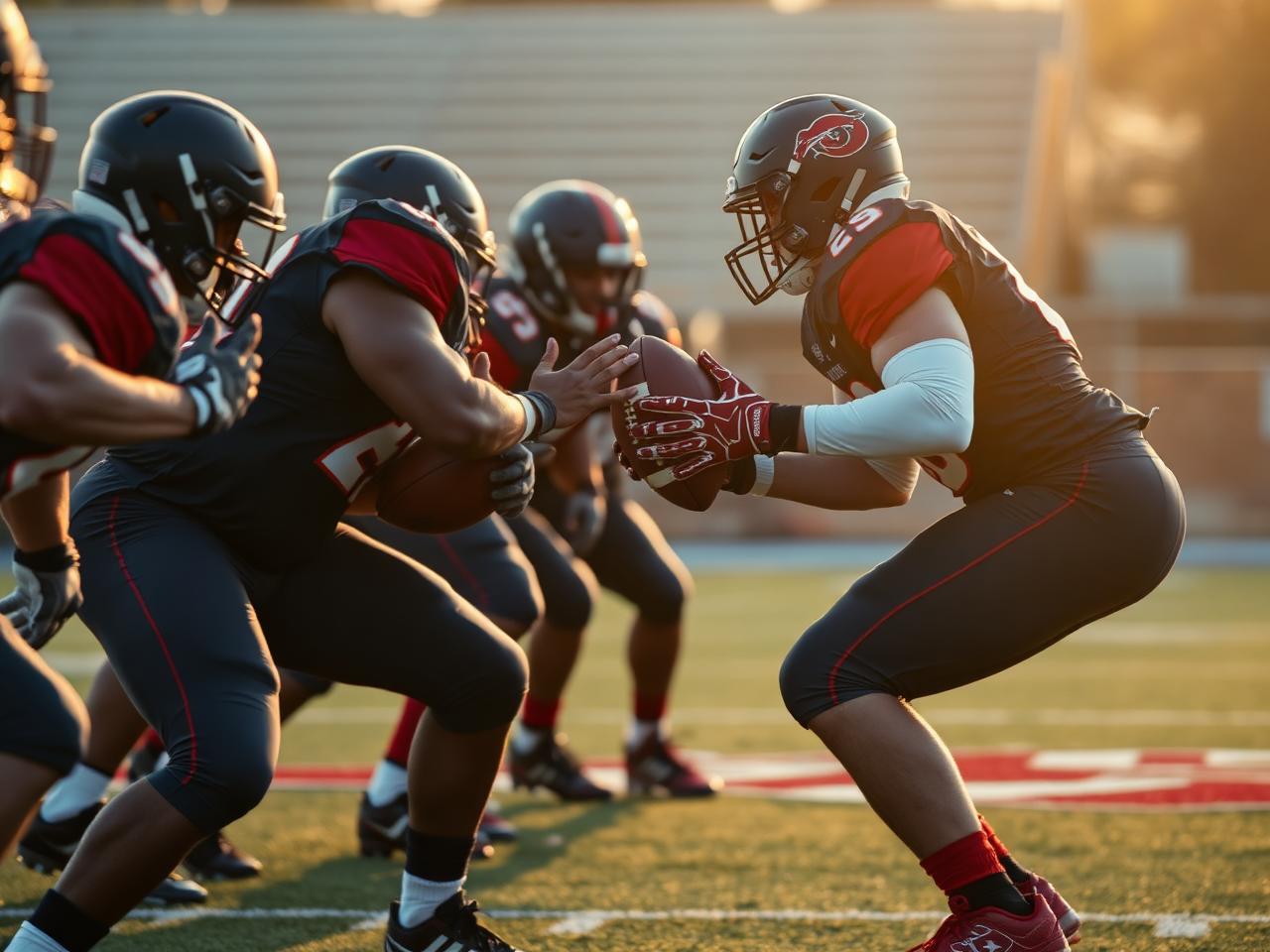
Great defensive backs win at the line of scrimmage. Rodrick teaches press technique, leverage, patience, and footwork so DBs can disrupt receivers without losing position.
Finish every rep
Attack the football
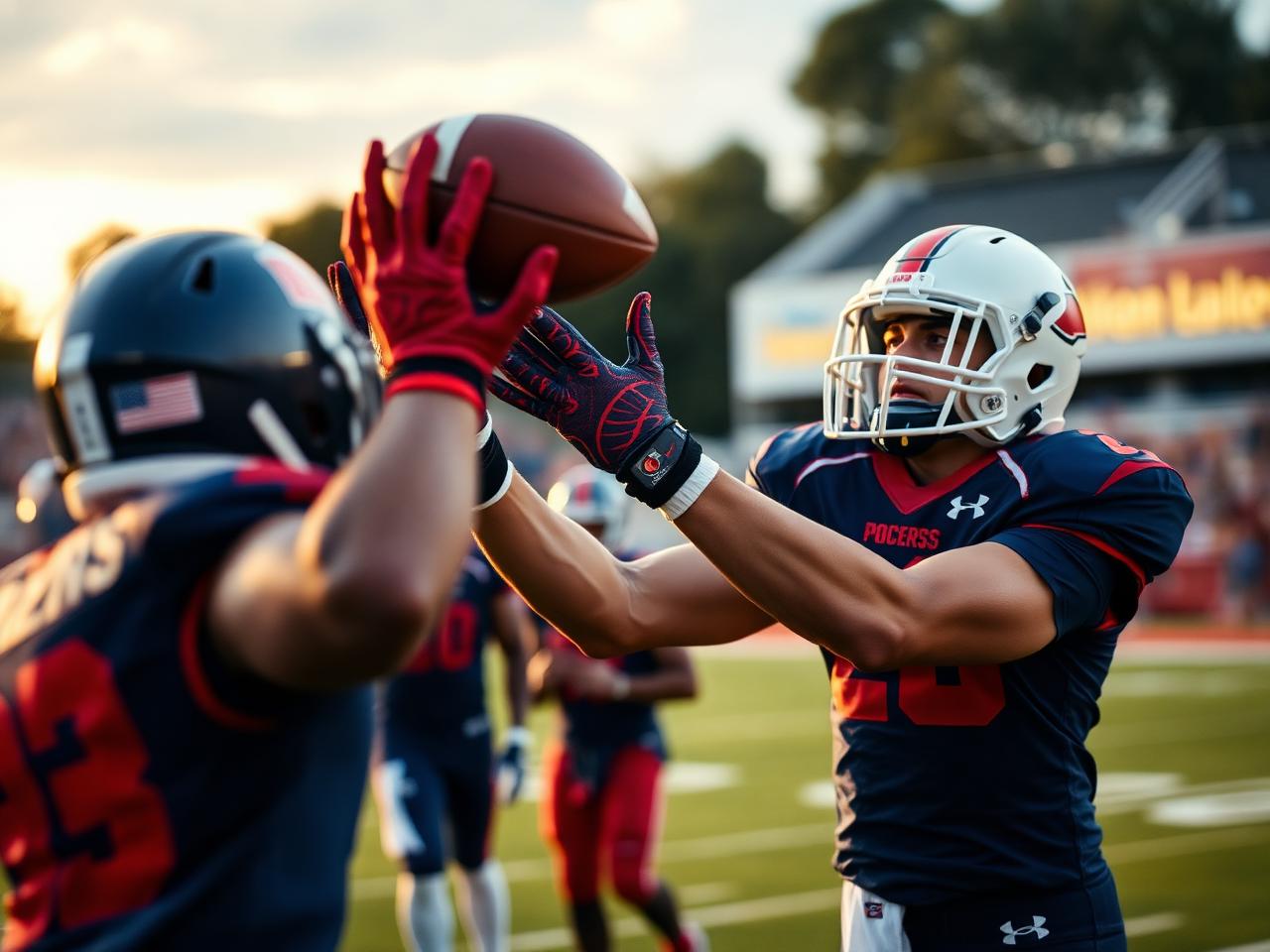
A defensive back should think like a receiver when the ball is in the air. Rodrick emphasizes tracking the football, attacking it at its highest point, timing the play, and finishing interceptions.
Train with a pro
Learn from Rodrick Walker
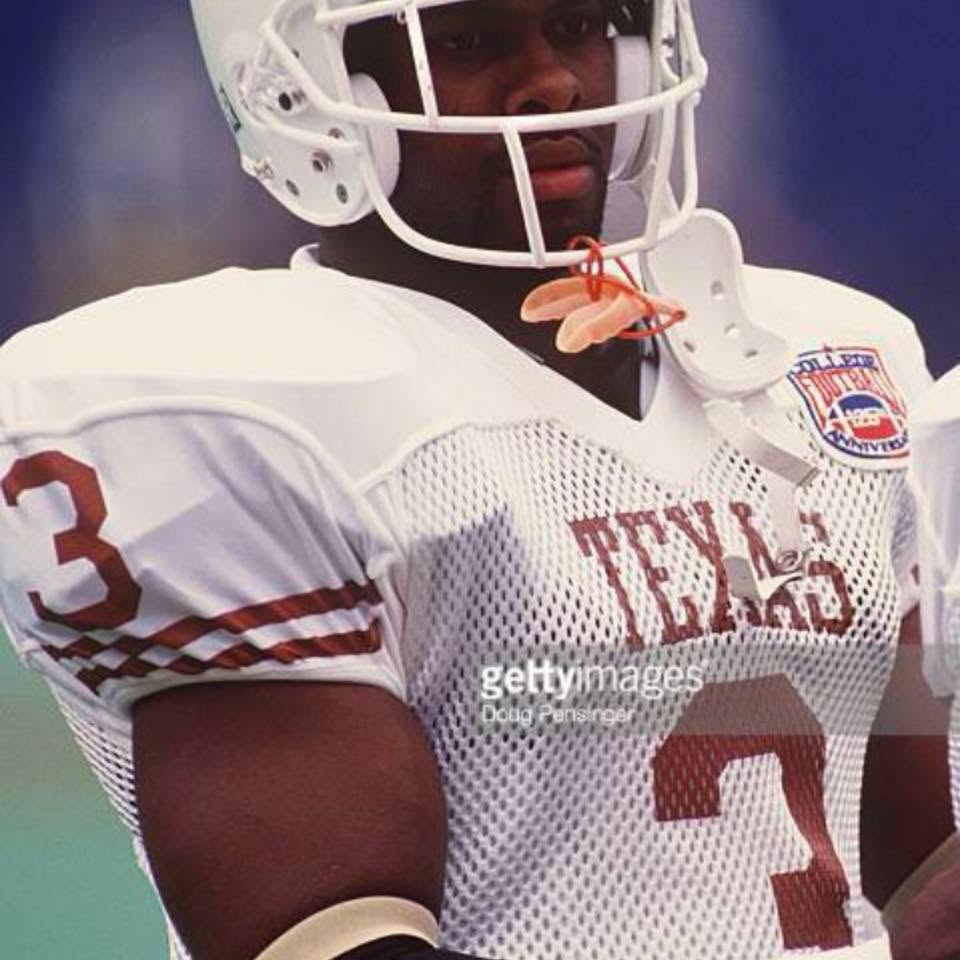
Rodrick played running back at Irving Nimitz High School, became the #2 overall recruit in the nation, and went on to lead the Texas Longhorns in rushing. He now trains defensive backs, receivers, and running backs the right way — from fundamentals to the details that separate good from great.
The defensive back mindset
Stay disciplined. Trust your technique. Control your leverage. Read your keys. Attack the football. Finish the play.
Great defensive backs don't rely on athleticism alone. They understand that shutting down receivers comes from technique, preparation, discipline, confidence, and repetition. Train with Rodrick Walker and learn how to play the defensive back position the right way.
Back to position training